Where Small And Large Intestine Connect / Jejunum S Function In The Small Intestine And Digestive System
Get link
Facebook
X
Pinterest
Email
Other Apps
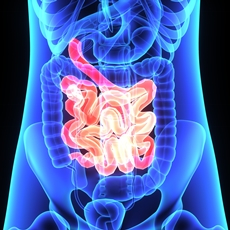
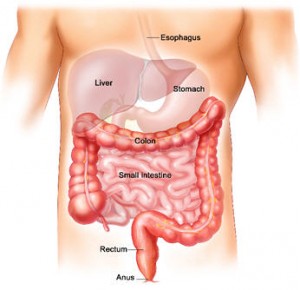
Where Small And Large Intestine Connect / Jejunum S Function In The Small Intestine And Digestive System. The small intestine extends from the pyloric sphincter to the ileocecal valve, where it empties into the large intestine.the small intestine finishes the process of digestion, absorbs the nutrients, and passes the residue on to the large intestine.the small intestine is divided into the duodenum, jejunum, and ileum. The small intestine or small bowel is an organ in the gastrointestinal tract where most of the absorption of nutrients and minerals from food takes place. The small intestine and the large intestine. The small intestine is much smaller in. This tube kind of structure is coiled in the abdomen.
The functions of the small intestine are absorption and protection. The appendix is a mix of the large intestine and small intestine. In humans, the large intestine begins in the right iliac regionof the pelvis, just at or below the waist, where it is joined to the end of the small intestineat the cecum, via the ileocecal valve. Although shorter than the small intestine in length, the large intestine is considerably thicker in diameter, thus giving it its name. It is thicker, more vascular, and has more developed mucosal folds than the jejunum.
Small Intestine Diseases Medlineplus from medlineplus.gov The intestines are a long, continuous tube running from the stomach to the anus. It starts from where the ileum ends, ascends upwards and passes across the top of. It has invaginations like the large intestine and it has a striated border like the small intestine. Together, the small and large intestines run from the end of the stomach to the anus. You may wear a bag on the outside of the stoma to collect stool. Rest of the detail can be read here The intestine is also where most water is absorbed, via osmosis. On its proximal (near) end, the small intestine—beginning with the duodenum—connects to the stomach.
Where small and large intestine connect.
Although shorter than the small intestine in length, the large intestine is considerably thicker in diameter, thus giving it its name. Large intestine the large intestine is larger in diameter than the small intestine. The jejunum lies between the duodenum and the ileum. The appendix is a mix of the large intestine and small intestine. The small intestine extends from the pyloric sphincter to the ileocecal valve, where it empties into the large intestine.the small intestine finishes the process of digestion, absorbs the nutrients, and passes the residue on to the large intestine.the small intestine is divided into the duodenum, jejunum, and ileum. The small intestine and large intestine are connected. It begins at the ileocecal junction, where the ileum enters the large intestine, and ends at the anus. The intestines are vital organs in the gastrointestinal tract of our digestive system. The ileum (last part of the small intestine) connects to the cecum (first part of the colon) in the lower right abdomen. The first part of the small intestine, the duodenum, starts where the stomach ends which is approximately in the upper middle region of the abdomen. Between what we drink and what is secreted into the stomach and intestine to help with food. Internally it has two in growths, circular folds or palicae circulares and villi (microscopic. This secondary energy pathway begins at acupoint li6 on the arm, where it first separates from the primary large intestine meridian line.
It frames the small intestine on three sides. Where they connect is called the ileocecal junction because the last part of small intestine called illum is connected to part of large intestine or colon called cecum. The first part of the small intestine, the duodenum, starts where the stomach ends which is approximately in the upper middle region of the abdomen. The jejunum lies between the duodenum and the ileum. The small intestine is a part of the digestive system that runs between the stomach and large intestine.
Anatomy Of Your Digestive System from coloncancerpreventionproject.org Their functions are to digest food and to enable the nutrients released from that food to enter into the bloodstream. The large intestine, or colon, is responsible for processing waste so that emptying the bowels is easy and convenient. The video includes gross anatomy of small intestine, large intestine, their parts and comparison. Rest of the detail can be read here You may wear a bag on the outside of the stoma to collect stool. The intestines are a long, continuous tube running from the stomach to the anus. Although shorter than the small intestine in length, the large intestine is considerably thicker in diameter, thus giving it its name. The small intestine or small bowel is an organ in the gastrointestinal tract where most of the absorption of nutrients and minerals from food takes place.
It is also called the bowel or bowels.
Together, the small and large intestines run from the end of the stomach to the anus. The small intestine has the narrowest diameter of all the parts of the alimentary canal, though it is the longest one which measures around 4.5 to 7 m in the length. The mucosa is surrounded by the submucosa, which is a layer of blood vessels, nerves and connective tissue that supports the other layers of the large intestine. It is found in the submucosa. On its distal (far) end, the ileum—the last segment of the small intestine—connects to the large intestine (colon). The small intestine extends from the pyloric sphincter to the ileocecal valve, where it empties into the large intestine.the small intestine finishes the process of digestion, absorbs the nutrients, and passes the residue on to the large intestine.the small intestine is divided into the duodenum, jejunum, and ileum. Their functions are to digest food and to enable the nutrients released from that food to enter into the bloodstream. Small and large intestine location of the colon in the body diseases of the small and large bowel are linked to family history and the connection between these elements has been the result of years of research at johns hopkins. Small intestine parasitic overgrowth (aka sipo) small intestine parasites often have the unique factor that they create severe stabbing pains or vomiting. Small intestine is made up of three parts, that is, duodenum, jejunum and ileum. Although shorter than the small intestine in length, the large intestine is considerably thicker in diameter, thus giving it its name. The intestine is also where most water is absorbed, via osmosis. It is thicker, more vascular, and has more developed mucosal folds than the jejunum.
Where they connect is called the ileocecal junction because the last part of small intestine called illum is connected to part of large intestine or colon called cecum. The small intestine and the large intestine. Internally it has two in growths, circular folds or palicae circulares and villi (microscopic. The mucosa is surrounded by the submucosa, which is a layer of blood vessels, nerves and connective tissue that supports the other layers of the large intestine. Although shorter than the small intestine in length, the large intestine is considerably thicker in diameter, thus giving it its name.
Duodenum Anatomy Location And Function from www.verywellhealth.com The intestines are vital organs in the gastrointestinal tract of our digestive system. The functions of the small intestine are absorption and protection. Small intestine is made up of three parts, that is, duodenum, jejunum and ileum. Small intestine parasitic overgrowth (aka sipo) small intestine parasites often have the unique factor that they create severe stabbing pains or vomiting. The intestines are a long, continuous tube running from the stomach to the anus. Although shorter than the small intestine in length, the large intestine is considerably thicker in diameter, thus giving it its name. With the separation of these fence posts (intestinal cells) from one another,a significant aspect of the protective barrier of the intestine is lost. It begins at the ileocecal junction, where the ileum enters the large intestine, and ends at the anus.
The large intestine, or colon, is responsible for processing waste so that emptying the bowels is easy and convenient.
The large intestine runs from the appendix to the anus. Small intestine is longer than the large intestine. Where small and large intestine connect. The small intestine extends from the pyloric sphincter to the ileocecal valve, where it empties into the large intestine.the small intestine finishes the process of digestion, absorbs the nutrients, and passes the residue on to the large intestine.the small intestine is divided into the duodenum, jejunum, and ileum. Internally it has two in growths, circular folds or palicae circulares and villi (microscopic. Although shorter than the small intestine in length, the large intestine is considerably thicker in diameter, thus giving it its name. The small intestine extends from the pyloric sphincter to the ileocecal valve, where it empties into the large intestine.the small intestine finishes the process of digestion, absorbs the nutrients, and passes the residue on to the large intestine.the small intestine is divided into the duodenum, jejunum, and ileum. Together, the small and large intestines run from the end of the stomach to the anus. Our intestines consist of two major subdivisions: The ileum is the longest part of the small intestine, measuring about 1.8 meters (6 feet) in length. It is thicker, more vascular, and has more developed mucosal folds than the jejunum. It is found in the submucosa. The colon is also called the large intestine.
تفسير حلم البحر والقارب للعزباء - تفسير حلم المصيف للعزباء ورؤية البحر في المنام . يرمز رؤية حلم البحر الهائج في منام. Maybe you would like to learn more about one of these? تفسير رؤية من غرق أو غاص في البحر في المنام. تفسير حلم البحر للعزباء أما تفسير حلم البحر هادئ ورايق للعزباء تشير إلى التخلص من صعوبات الحياة التي تواجهها. تدل رؤية شاطئ البحر في منام العزباء عن بُعد ولكنها تراه برؤيا العين على سماعها لأخبار سعيدة في وقت قريب بإذن الله. الحلم بالأخ الصغير هو دائما ما يشير إلى الفرح والخروج من الازمات والمصائب والفرج القريب. يرمز رؤية حلم البحر الهائج في منام. تفسير حلم البحر والقارب للعزباء. تفسير حلم الوقوف على شاطئ البحر للعزباء. وفي حال رؤية البحر للعزباء وقد تم خطبتها بالفعل فيدل على إقتراب موعد زفافها وبالتالي تشعر بالخوف والقلق والتوتر وبالتالي ترى ذلك في المنام، أما عن رؤية المرأة المتزوجة البحر فهو دلالة على التخطيط للإنجاب أو إنتظار مولود جديد في الفترة المقبلة. تفسير حلم رؤية...
Canadian Bitcoin Exchange - Canadian Bitcoin exchange president dies suddenly, putting ... . The canadian bitcoin exchanges market is always changing. Practice with a decent quantity to your value more than like. I can see below you've asked. A canadian exchange so there's no need to worry about international transaction fees. The canadian bitcoin market now has a few really good exchanges demonstrating solid liquidity and narrow spreads. Read our comprehensive guide to get started in minutes. 2007 in 10 million, forex via several customers to all times of the coinzoom. We review canadian crypto exchanges and show you how to purchase bitcoin, the legalities around cryptocurrency and more. Buy and sell bitcoin and other cryptocurrencies on our secure, intuitive canadian exchange. The centralized exchange supports trading in bitcoin, bitcoin cash, bitcoin gold, dash, ether, litecoin and ripple. ...
Gyft Bitcoin Exchange Rate / Finally Gyft Now Offers Full Coinbase Wallet Integration No More Clumsy Copying And Pasting Addresses Between Windows Or Qr Code Scanning Bitcoin . Can i buy from gyft using bitcoin? I'm making my first bitcoin purchase, how do i checkout? Use gyft to also keep track of gift card balances and instantly send friends and family gift cards they'll love. Places like nytimes , forbes and techcrunch swear by us. The mechanics of bitcoin trading are accessible to both novice and expert forex traders. Best bitcoin earning sites without investment; Lines were long because of the holidays. > gyft bitcoin exchange rate it also has a ton of visualization instruments, so you'll be able to better grasp data like market depth, profit and loss, orders, and extra. When digital card platform gyft first integrated bitcoin payments, they accounted for 90% of the company's sales, with paypal and. In gyft's case, if users pay in bitc...
/GettyImages-585996538-b7755be0a8e849ff93b516e8aa43bfc4.jpg)


Comments
Post a Comment